
Why
Storytelling
We Need To Do a Better Job of Telling Our Story
Almost every potential client conversation I have starts with this sentence.
When we dig deeper, I see leaders struggling to stand out, navigating uncertainty or working to communicate change. The quest for attention and acceptance can feel out of reach amid competing priorities, remote work, AI, and constant social media noise.

It’s Human Nature
to Tell Stories
We are storytelling creatures.
We do it intuitively, without thinking.
When we get more intentional about storytelling, something shifts, and we cut through the noise.
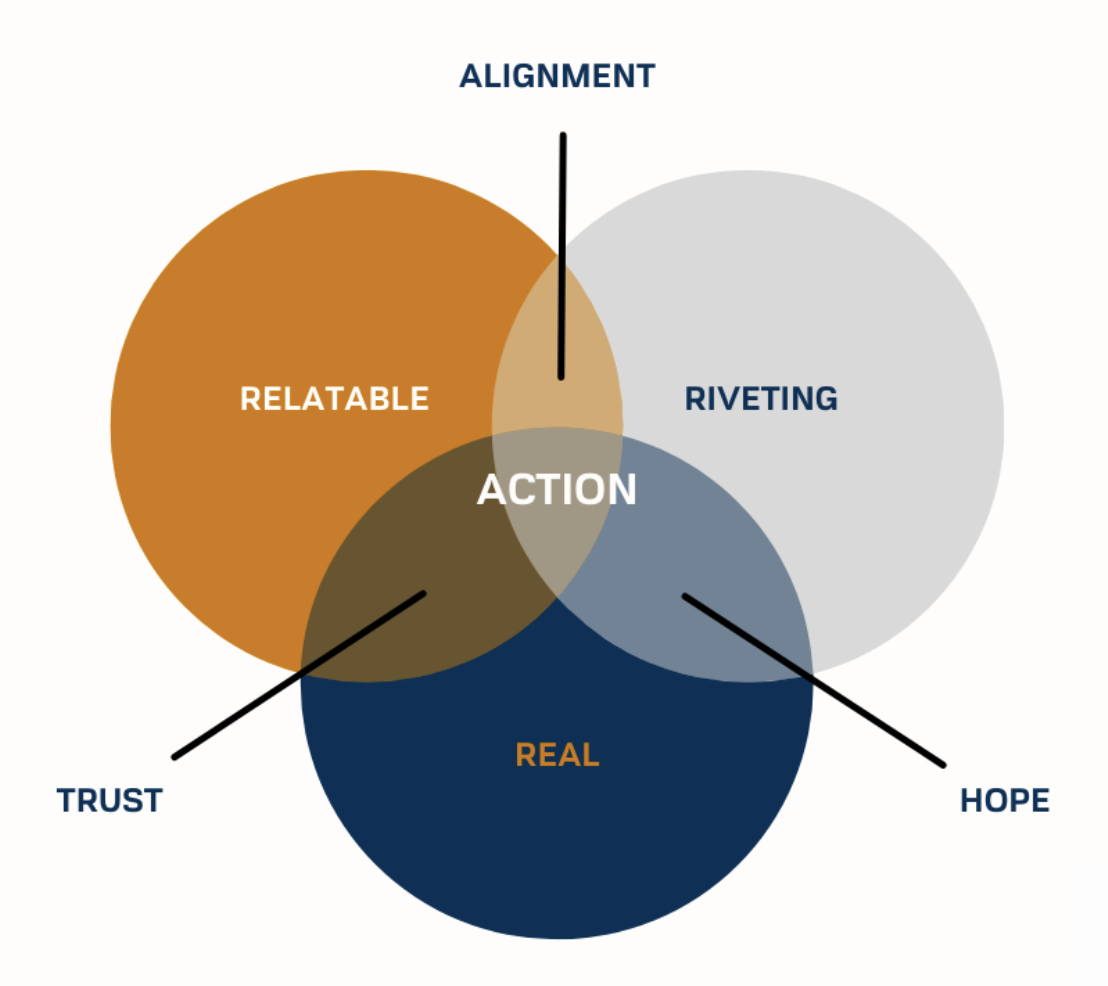
The Most Powerful Stories are:
loop
What Makes a Story Work?
The most powerful stories address what is on people’s minds, whether they are conscious of it or not. Maybe it’s a question, an objection, or something they haven’t been able to articulate.
Facts and data are rarely enough.
People are not wired to connect through numbers and bullet points. Story is what helps ideas make sense and stick.
Why This Matters to Leaders?
Think about how you make choices about where or who you want to work with, which brands you buy from, and which nonprofits you give to.
You trust them. They align with your values. You believe something will be better for having chosen them.
Stories matter not just in marketing. They show up in:
Your next pitch or presentation
A staff or donor meeting
A community conversation
When you lead with story, you open the door to a bigger conversation and better relationships. Relationships that move people from purely rational decision-making to emotional connection.
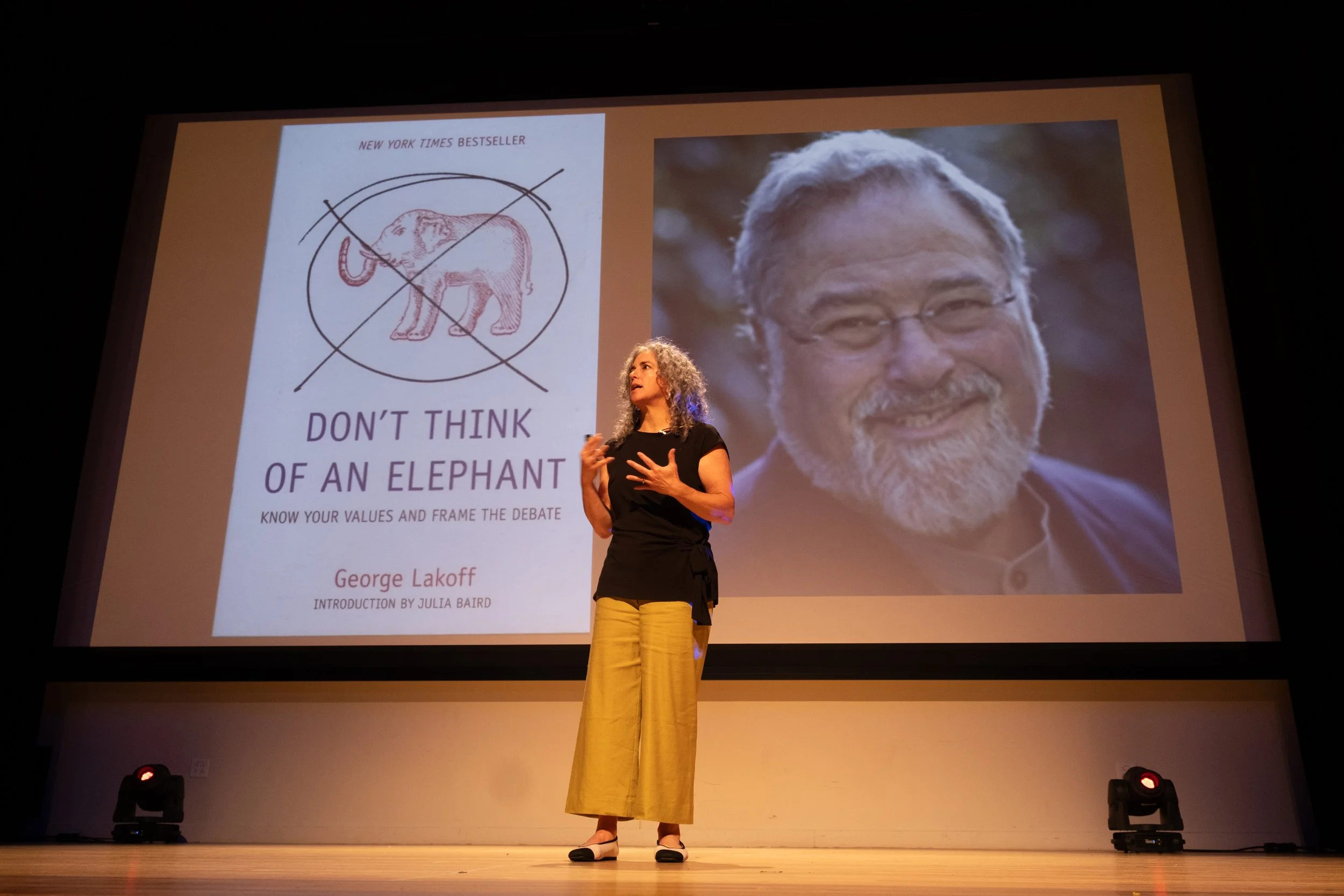

“When we read or hear a story, we are absorbed in it. So we are more influenced by it. We let our guard down and suspend disbelief. Whereas with nonfiction, we use our critical mind.”
Jonathan Gottschall, The Storytelling Animal


Let’s Connect
Wondering if storytelling could help your work land with the people who need to hear it? The best place to start is with a real conversation.