
Stories and Identity
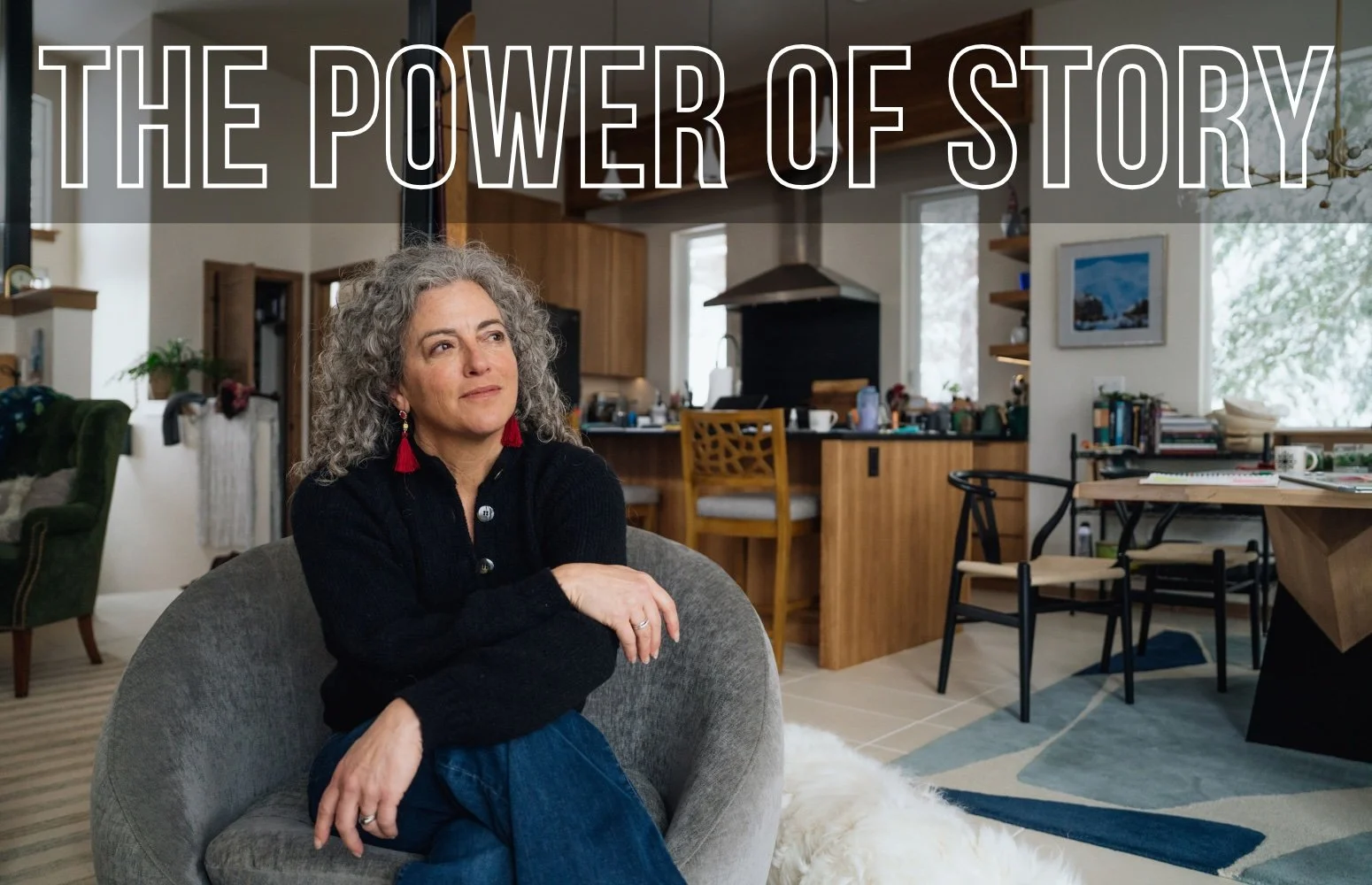
This week, I broke two of my own rules in the same “classroom” on the same afternoon.
I've spent the past two weeks working with Their Story is Our Story, an organization that elevates refugee voices through education, advocacy, and storytelling. I was brought in to teach a cohort of refugees and allies how to find their voice, clarify their identity, and reach the right audience. I was excited and, to be honest, a little intimidated by the project. I’ve worked with leaders on some pretty hefty subjects, but not as personal as this.
I took a different approach to the lesson plan and avoided the examples I normally use, because I thought they might be irrelevant. Instead of examples, I decided to use a group-coaching style until someone asked for an example to help them visualize what we were trying to achieve. (big sigh) And I returned to what I knew in my gut and shared the stories I originally thought were irrelevant. Everyone found them incredibly helpful. (second sigh)
Here are the rules I broke and what I teach every client:
Rule 1: The content of our stories might be unique, but the themes and emotions are universal.
Rule 2: We don't need epic narratives to make an impact. Everyone has a story worth telling.
I believe both of these things deeply. And yet, sitting across from young people who had fled their countries, lost family members, or were advocating for women stripped of their rights in Afghanistan, I quietly decided the stories weren't relevant enough to share. I held back.
The irony caught up with me fast. When I finally drew from my own experience, it landed. It didn’t matter that the content was about something far removed from the refugee experience.
They weren't comparing narratives, and neither should we. Every one of us is inside our own stories, and because of that, they are our “normal.” We assume “normal” isn’t interesting to anyone else.
Speaking of ironies, the question of my own story and identity has been with me for the past five months, through a process much closer to home: rebuilding my website. And it is finally hot off the presses! (Hot off the presses: a term that meant something not that long ago, but is now like a land line or a cassette tape and needs to be explained to the kids. Third sigh)
Anyway, my website was over a decade old, and had been patched together over the years with updates, like a house renovated room by room without a real plan. More importantly, it wasn't telling my story.
Here are the questions I like to use to mine for identity, beyond the usual, this is what I do for a living. A few weeks ago, I shared some of my process for the new site, which you can read here.
Here are some more prompts I used to develop a robust story that infused some of my personality into the overall site. They are the same questions I work with leaders on:
What do I care about?
When I'm at my best, what am I doing?
What do I love?
What problems do I solve — and so they can do what, once that problem is solved?
Then, how can the answers to these questions bleed into the visuals and the full story to give it a robust sense of self? For me, it meant bringing in photos of winter, my dogs, and some humor.
The stories of who you are make you relatable. The stories of what you have done make you real. The stories of what you can do make you riveting. A million people can do what you do — but not one of them can claim your stories. Your story is your competitive advantage.
I'd love for you to see mine. [Visit the new site →]
And if you're ready to help your team build relationships that drive big decisions, let’s talk. I’m booking speaking engagements and workshops for this fall. [Book a call →]
